Why is my car engine light on?
Top 10 Reasons Why your Check Engine Light Comes On
Before we dive into the 'WHY', it's important to know that not all check engine lights are created equal. In fact, over 80% of check engine lights show issues that are manageable or straightforward to fix.
#1: Understanding your check engine light: Solid vs. Flashing
#2: Top 10 reasons your check engine light comes on
#3: Free check engine Light Diagnostic
Understanding Your Check Engine Light:
Solid vs. Flashing
Solid Check Engine Light
When the check engine stays on that means your vehicle has detected an issue that needs attention but it's not an immediate emergency. Think of it as your car tapping you on the shoulder to say, "Hey, I'm not feeling good, but you don't need to panic." You can typically continue driving carefully but be sure to schedule a free diagnostic appointment within the next few days.
Flashing Check Engine Light
This is when it gets serious. If your car could talk it would be screaming right now. A blinking or flashing engine light indicates a severe problem—usually a misfire that could damage your catalytic converter if you keep driving. If you see a flashing light, pull over safely as soon as possible and have your vehicle towed to a shop. Continuing to drive with a flashing light can turn a moderate repair into a very expensive one.
Top 10 Reasons Your Check Engine Light Comes On
Breaking down the Most Common triggers for that dashboard warning, what these components actually do, why they might be causing the problem.
#1: Loose or Damaged Gas Cap
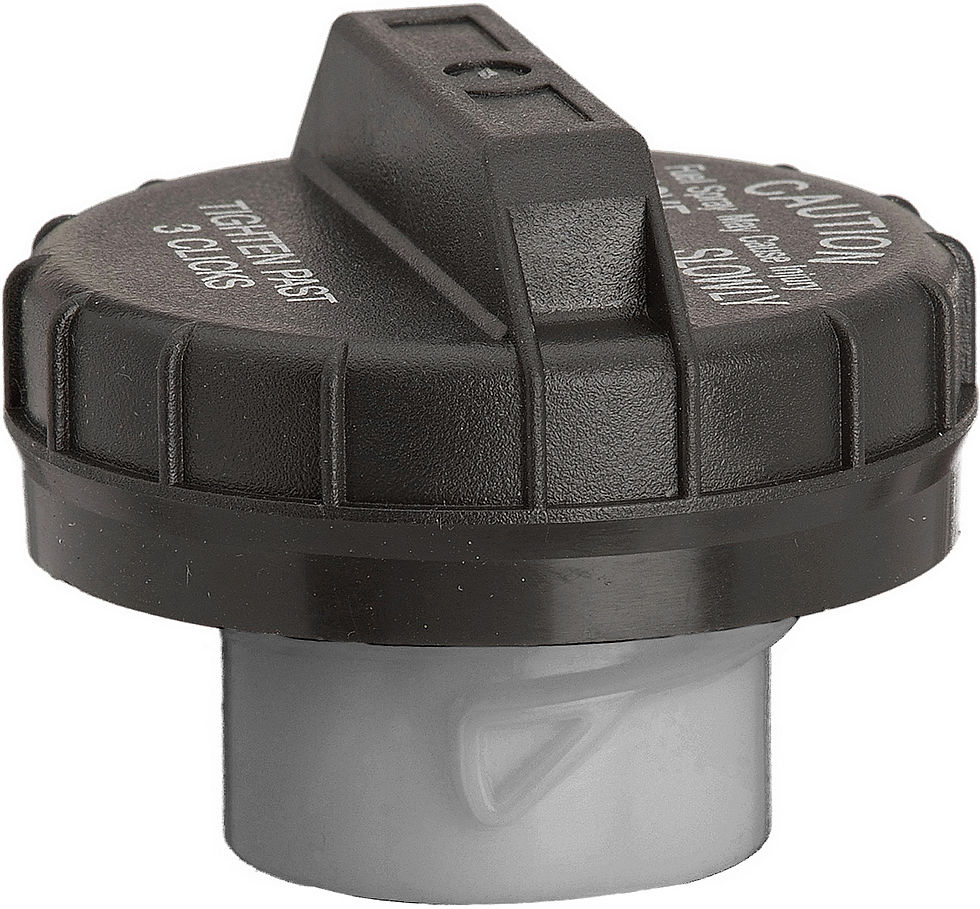
Believe it or not, this simple issue is one of the most frequent reasons why the check engine light triggers. Your gas cap is more than just cap—it's a crucial part of your vehicle's evaporative emissions system (EVAP). It seals your fuel system and maintains proper pressure while preventing fuel vapors from escaping into the atmosphere.
When the gas cap is loose, missing, or has a worn seal, your car's computer detects a leak in the EVAP system and turns on the check engine light. The fix? Make sure your gas cap clicks three times when you tighten it. If the seal looks cracked or damaged, a replacement cap might be all you need.
#2: Oxygen Sensor Failure

When an oxygen sensor fails, your engine can't regulate the fuel mixture properly, leading to decreased fuel economy (sometimes up to 40%) and increased emissions. Most vehicles have multiple O2 sensors, and they typically last 60,000-90,000 miles before needing replacement.
Your vehicle has oxygen sensors (O2 sensors)
positioned in the exhaust system that monitor how much unburned oxygen is in your exhaust gases. This information helps your engine's computer adjust the air-fuel mixture for optimal performance and fuel efficiency.
#3: Mass Airflow Sensor(MAF) Problems

Your mass airflow sensor measures exactly how much air is entering your engine, allowing the computer to calculate the right amount of fuel to inject. Think of it as your engine's breathing monitor.
A dirty or failing MAF sensor can cause rough idling, hesitation during acceleration, and poor fuel economy. Often, these sensors get contaminated with dirt or oil residue and can sometimes be cleaned rather than replaced.
#4: Spark Plugs and Ignition Coils

Spark plugs create the electrical spark that ignites the air-fuel mixture in your engine's cylinders—no spark, no combustion, no power. Ignition coils amplify your battery's voltage to create that spark. When either component fails, you get engine misfires.
Modern spark plugs can last 60,000-100,000 miles, but they don't last forever.
Worn spark plugs or failing ignition coils cause incomplete combustion, wasting fuel and potentially damaging your catalytic converter. You might notice your engine running rough, decreased power, or poor acceleration.
#5: EVAP System Leak

Beyond just the gas cap, your evaporative emissions system includes hoses, valves, and a charcoal canister that captures fuel vapors from your tank and recycles them back into the engine to be burned. This prevents gasoline vapors from polluting the air.
Small cracks in hoses, a faulty purge valve, or a leak in the charcoal canister can trigger the check engine light. While EVAP leaks don't typically affect how your car drives, they do increase emissions and should be repaired.
#6: Fuel Injector Problems

Fuel injectors are precision nozzles that spray a fine mist of gasoline directly into your engine's cylinders. They open and close thousands of times per minute, controlled by your engine computer to deliver the exact amount of fuel needed.
Clogged or dirty fuel injectors disrupt this precise fuel delivery, causing rough idling, poor acceleration, and reduced fuel economy. In some cases, injectors can develop leaks or fail electronically. Regular fuel system cleaning can prevent many injector issues.
#7: EGR Valve Failure

The Exhaust Gas Recirculation (EGR) valve recirculates a small portion of your exhaust gases back into the combustion chamber. This might sound counterintuitive, but it actually reduces the
combustion temperature, which lowers harmful nitrogen oxide (NOx) emissions.
When the EGR valve gets stuck open, closed, or clogged with carbon deposits, it affects engine performance. You might experience rough idling, reduced power, or even engine knock. The valve can often be cleaned, though sometimes replacement is necessary.
#8: Thermostat Issues

Your engine thermostat regulates coolant flow to maintain optimal operating temperature—typically around 195-220°F. It stays closed when the engine is cold to help it warm up quickly, then opens to allow coolant circulation and prevent overheating.
A stuck-open thermostat prevents your engine from reaching proper operating temperature, reducing efficiency and increasing emissions. A stuck-closed thermostat can cause overheating. Modern engines are very particular about operating temperature, and the computer will trigger the check engine light if it detects temperature regulation problems.
#9: Vacuum Leak

Your engine relies on a complex system of vacuum hoses that help control everything from the brake booster to emission controls. Engine vacuum is created by the pistons moving in the cylinders, and this vacuum pressure is used to operate various components.
When hoses crack, deteriorate, or come loose, you get a vacuum leak. This allows unmetered air into the engine, disrupting the air-fuel ratio. Symptoms include rough idle, hissing sounds, and poor acceleration. Finding vacuum leaks sometimes requires a smoke test, where mechanics introduce smoke into the system to see where it escapes.
#10: Catalytic Converter Issues

The Catalytic converter- converts your harmful pollutants in your exhaust (like carbon monoxide and nitrogen oxides) into less harmful substances before they leave your tailpipe. These problems are a result of neglected issues like bad oxygen sensors, misfiring engines, or oil burning. The converter itself sometimes gets clogged or damaged, reducing engine performance and fuel efficiency. These damages can be quite expensive so high maintenance is crucial when trying to avoid these issues earl on.
$100 Check Engine Light Diagnostic

Check engine diagnostics, on average, can be expensive. At Liberty Tires we offer a discounted price for first time customers. No hidden fees. No pressure- Just straight up answers about what is happening with your vehicle, in plane English and give you honest options to move forward with.
Stop by anytime during business hours—no appointment necessary for diagnostic scans. We're here to help you make informed decisions about your vehicle, not to pressure you into repairs you don't need.
What are neighbors for, we're in this for the long haul.
Comments